


Expat group benefits management is the process of designing and administering medical cover for employees and dependants who live or work outside their home country. A practical programme starts with the workforce: where people are based, where they travel, who needs cover, and which benefits matter. Employers can then compare coverage area, inpatient and outpatient limits, provider access, medical evacuation, pre-existing condition terms, claims handling and renewal rules across available insurers.
Elev8 works as an independent broker for employers in its listed enquiry countries. A broker helps build one brief for the insurers available to that employer. Compare the benefit schedule and each insurer’s written conditions before enrolment. Country eligibility is checked at the start of the enquiry.
Planning a new programme or a renewal? Book a group benefits consultation or read the international group medical insurance guide first.
Seven priorities for an expat group medical programme
| Priority | What employers should compare | Why it affects the decision |
|---|---|---|
| 1. Coverage area | Countries of residence, work and regular travel, plus any required U.S. cover | Geographic scope can change provider access, exclusions and premium |
| 2. Core medical benefits | Inpatient, outpatient, diagnostics, medicines, mental health and chronic care terms | Headline limits do not show how individual benefits are capped or excluded |
| 3. Dependants and family needs | Partner and child eligibility, maternity, newborn and paediatric terms | The right employee-only plan may still leave gaps for a relocating family |
| 4. Existing medical conditions | Underwriting method, exclusions, waiting periods and evidence required | Terms vary by insurer and group profile and should be confirmed in writing |
| 5. Evacuation and repatriation | Triggers, destination, transport approval and assistance process | Remote assignments may need a clear route to appropriate treatment |
| 6. Claims and servicing | Direct billing, pre-authorisation, reimbursement, escalation and employer reporting | A usable process matters as much as the schedule of benefits |
| 7. Renewal and administration | Joiners, leavers, location changes, renewal data, rate review and policy ownership | International teams change during the policy year and need consistent administration |
Benefits management is more than buying a group plan
A policy is one part of the programme. Employers also need accurate member data, a repeatable onboarding process, a route for urgent cases, clear ownership of claims escalation and a renewal timetable. Without that operating structure, even broad cover can become difficult for employees and HR teams to use.
Start with one written brief covering workforce locations, assignment patterns, dependant numbers, current cover, claims experience where available, benefit priorities and budget parameters. That gives insurers a more consistent basis for terms and makes comparisons easier to explain internally.
Expat group wellness benefits: what to include and how to check them
Expat group wellness benefits are the preventive and support services an employer adds around the medical policy: health checks, vaccinations, mental-health support, virtual GP access and an employee assistance programme. Some are insured policy benefits with annual limits. Others are delivered by a separate vendor and sit outside the insurance contract. Employers managing staff in several countries should confirm, for each service, who is eligible, where it can be used, which limits apply and who employees contact. That boundary decides whether a benefit is actually used.
| Wellness benefit | Usually delivered as | What employers should confirm |
|---|---|---|
| Preventive health checks and screening | An insured benefit on some plans, often with an annual limit | Eligible members, frequency, limit, and direct billing versus reimbursement |
| Vaccinations | An insured benefit or outpatient sub-limit on some plans | Routine versus travel vaccines, age rules and the annual limit |
| Mental-health support | Policy benefit, employee assistance programme, or both | Session limits, languages offered and whether dependants can use it |
| Virtual GP and telehealth | An insurer service or a third-party vendor | Countries where it works, prescribing rules and opening hours |
| Employee assistance programme | Usually a separate vendor service | Confidential counselling, helplines and aggregate-only reporting to the employer |
| Health assessments and wellbeing apps | An insurer portal or vendor platform | Data privacy, uptake reporting and any extra cost to the employer |
Independent broker support versus approaching one insurer
| Route | What it can provide | What to check |
|---|---|---|
| Independent broker | A structured brief, comparison across available insurers and help interpreting terms | Which markets were approached, how differences were assessed and what servicing continues after placement |
| One insurer directly | Detailed information about that insurer’s own product and administration | Whether the product fits the full workforce and how it compares with other available options |
The National Association of Insurance Commissioners explains the distinction between independent, captive and direct routes. Product structures also differ between insurers; current employer-plan examples are available from Cigna Global and Allianz Care. These links are reference points, not recommendations, and final terms must be checked against the applicable quotation and policy wording.
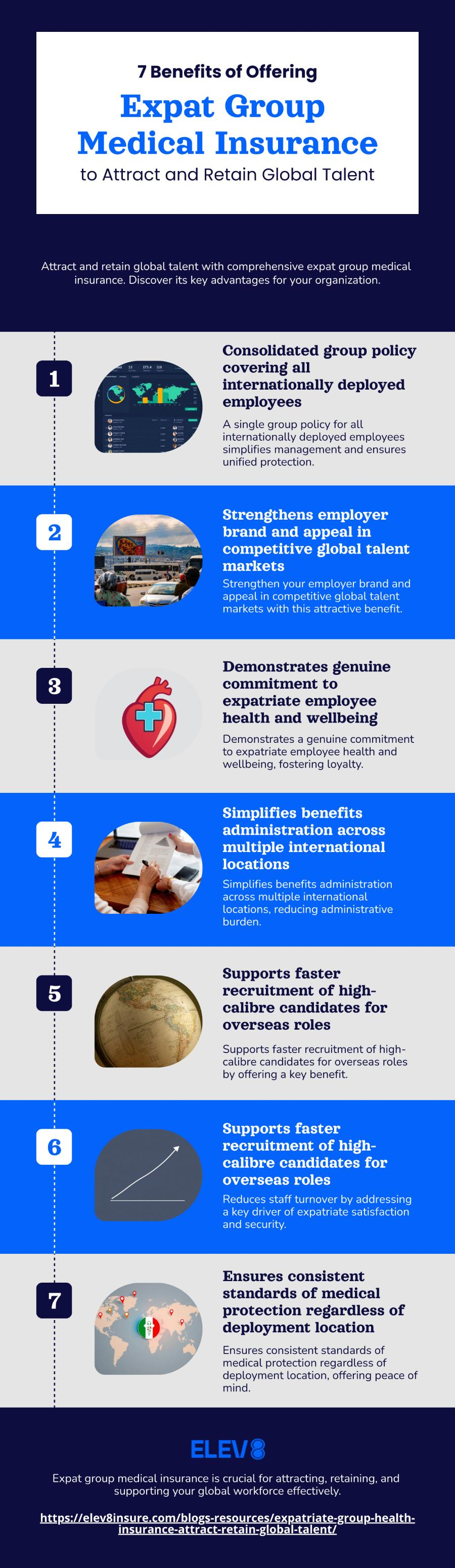
Who is an expat group benefits broker and what do they manage?
An expat group benefits broker is an independent adviser who represents the employer, not an insurer, when arranging medical cover for staff working outside their home country. Instead of taking instructions from a single insurer, the broker gathers headcount, dependant, location and budget details, then requests comparable terms from several insurers so the employer can weigh options on equal footing. Day-to-day expat group benefits management typically covers enrolment and eligibility checks, dependant additions, claims escalation when a case stalls, renewal negotiation, and keeping documentation aligned with each insurer’s policy wording. Expat group benefits coverage decisions — provider networks, evacuation limits, pre-existing condition terms and country exclusions — remain the insurer’s to set, but the broker is responsible for surfacing those details before an employer signs. Employers who buy directly from one insurer lose this comparison step and take on the administrative load themselves.
Frequently asked questions about expat group benefits
What is expat group medical insurance?
Expat group medical insurance is employer-arranged health cover for employees, and sometimes eligible dependants, who live or work outside their home country. A group programme can combine members under one policy and administration process, but coverage area, benefits, provider access, underwriting, exclusions, claims rules and renewal terms still depend on the insurer and final policy wording.
Which expatriate group wellness benefits should employers compare?
Potential wellness features include preventive checkups, vaccines, mental-health support, virtual consultations, health assessments and employee-assistance services. Availability varies. Employers should confirm which services are insured policy benefits, which are delivered through a separate vendor, who is eligible, where services can be used, and whether limits, waiting periods or referral rules apply.
Are wellness benefits the same as medical insurance?
No. A group medical policy pays or reimburses eligible healthcare costs under its written terms. A workplace wellness programme may include education, preventive services or support that sits outside the insurance contract. Employers should document the boundary clearly so employees know which provider to contact, what is covered, and what information is required.
What does expat group benefits coverage typically include?
Expat group benefits coverage usually includes inpatient and outpatient treatment, emergency medical evacuation, and dependant options, though exact limits, provider networks and exclusions vary by insurer and policy tier. Employers should request a benefit schedule in writing before enrolment, since verbal summaries from a single insurer often omit waiting periods, pre-existing condition terms and claims documentation requirements.
What is expat group health insurance for employee teams?
Expat group health insurance is a single employer-arranged policy covering employees, and often eligible dependants, who work outside their home country. It typically bundles inpatient care, outpatient visits and evacuation cover under one administration process, though provider networks, waiting periods and country exclusions still depend on the insurer and the specific plan an employer selects.
Build the brief before requesting terms
Use the full international group medical insurance guide to compare plan structure, underwriting, claims and renewal considerations, see how international group medical insurance is priced, and plan the rollout with the implementation and switching timeline. When the workforce brief is ready, book an international insurance consultation to discuss suitable next steps.
Updated 5 October 2026. Published by Elev8 Insurance. Coverage, eligibility, underwriting, benefits and premiums vary by insurer, policy and jurisdiction.
Related employer guides
- GCC employer health insurance mandates: UAE, Saudi Arabia, Qatar, Oman, Bahrain and Kuwait compared.
- Expat disability insurance and life cover: benefit limits, waiting periods and provider terms.


