
Perfect — here’s the updated Elementor-ready page copy for Selecting Pet-Friendly Airlines, now with your two additional related links included at the end.
Selecting Pet-Friendly Airlines – A Guide for Expats Traveling with Pets
Relocating abroad often means moving with more than just luggage. For many expats, pets are part of the family, and bringing your furry friend along is an important part of the journey. Choosing the right airline for your move makes a big difference in ensuring comfort, safety, and peace of mind for your furry companions.
This guide explores what to look for when selecting pet-friendly airlines, the policies you should check, and how to prepare your pet for international relocation.
👉 Discover Your Options Abroad
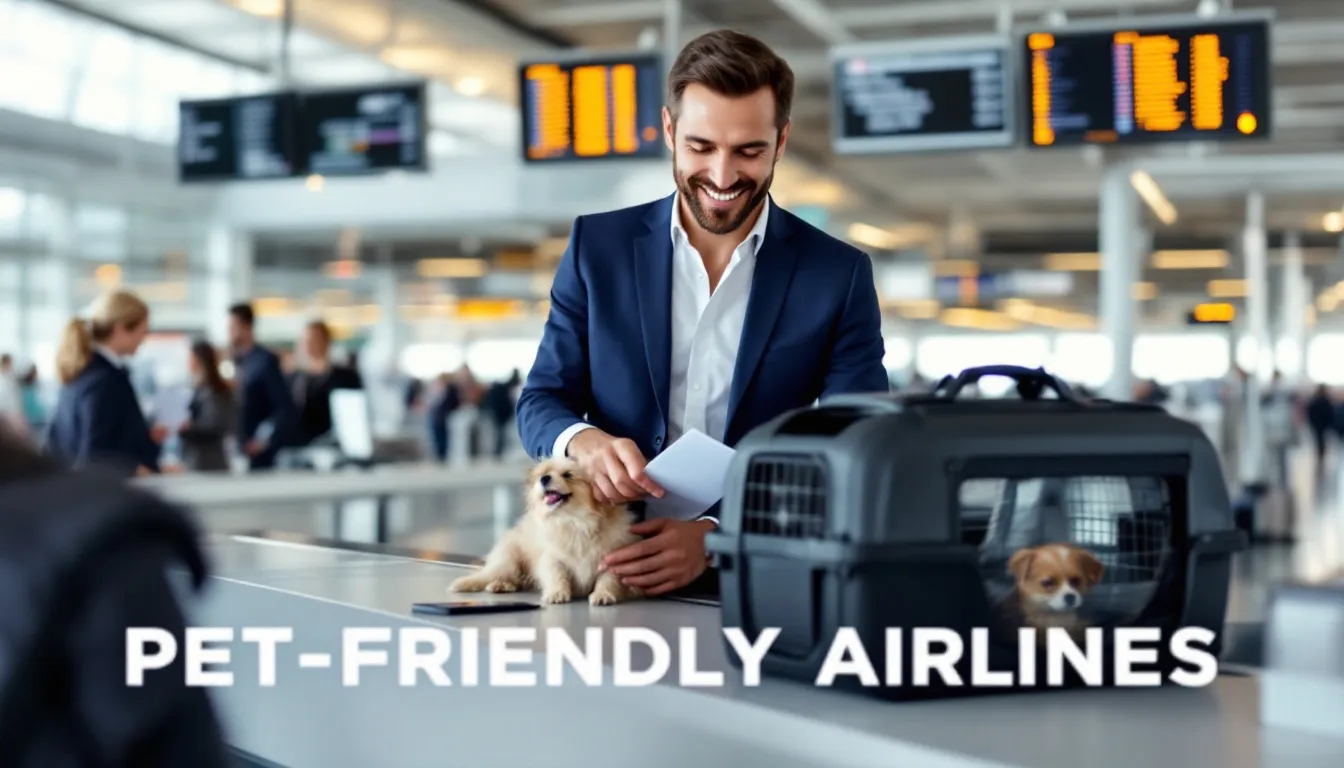
Why Airline Choice Matters for Expats with Pets
Not all airlines treat pets the same way. Some offer specialized programs for animals, while others have restrictions or high fees. Choosing wisely ensures:
Safe transport for your pet.
Many pet owners consider their pets as family and prioritize their comfort and safety when choosing airlines.
Less stress for both owner and animal.
Compliance with international regulations.
What Makes an Airline Pet-Friendly?
Cabin vs. Cargo Options
Small pets may travel in the cabin on select airlines. Most airlines allow small dogs and cats to fly with you in the cabin, as long as they fit in a carrier that can be stored underneath the seat in front of you. Most airlines allow only one pet carrier per passenger, which counts as either your carry on or personal item. A carry on pet must fit comfortably in an approved carrier under the seat in front of you, and the carrier is considered a carry on bag or personal item. Carry on pets are subject to specific size and weight restrictions for in cabin travel, and not all airlines permit more than one pet per passenger. The process of traveling with pets in the cabin is often referred to as carry on or in cabin travel.
Larger pets usually travel in climate-controlled cargo holds.
Pet Safety Programs
Airlines like Lufthansa, KLM, and Emirates offer recognized pet relocation services. The American Veterinary Medical Association provides guidelines and safety recommendations for airline pet travel, including advice on sedation and tranquilizers.
Transparent Policies
Clear rules on crates, fees, and medical requirements, including transparent policies that clearly outline the requirements for the pet’s carrier, such as size, ventilation, and material.
Restrictions based on breed or destination.
Supportive Staff
Experienced staff trained to handle animals during boarding and transfers.
Airline Pet Travel Policies to Compare
Pet Reservations – make pet reservations in advance, as airlines often limit the number of pets traveling per flight.
Size and Weight Limits – check for cabin allowance; a weight limit may apply to both the pet and the carrier. Some airlines allow up to two pets per passenger in the cabin, subject to carrier size restrictions.
Breed Restrictions – some airlines restrict brachycephalic (short-nosed) breeds.
Medical Documentation – health certificates and vaccination records.
Transit Hubs – look for pet lounges or animal care facilities during stopovers.
Fees – a pet fee is typically charged per pet, per flight segment, and fees vary widely, so factor into your expat relocation planning.
Domestic Flights vs. International – check policies for domestic flights versus international flights, as rules for pets traveling may differ.
Transport Pets Procedures – airlines have specific procedures to transport pets safely, whether in the cabin or cargo hold.
Top Airlines Known for Pet-Friendly Policies
While policies change often, these airlines are frequently recommended by expats traveling with pets:
Lufthansa – dedicated Animal Lounge in Frankfurt.
KLM Royal Dutch Airlines – long-standing pet transport program.
Emirates – extensive pet travel policies, especially for long-haul flights.
Air France – allows cabin travel for smaller pets.
Singapore Airlines – reliable long-haul transport.
United Airlines (PetSafe Program) – specialized animal cargo handling.
Delta Airlines / Delta Air Lines – allows small pets in the cabin with soft sided carriers, but has restrictions for certain breeds (such as snub nosed dogs and brachycephalic cats) and destinations like Hawaii. Large pets may be transported as cargo, but not on all routes.
Alaska Airlines – pet-friendly airline allowing small pets in the cabin, with the option to purchase an adjacent seat for your pet. They also have specific carrier size requirements and allow household birds and guinea pigs on some routes.
Southwest Airlines – known for pet-friendly policies on domestic flights, allowing small pets in the cabin with clear carrier guidelines and reasonable fees.
American Airlines Cargo – primary service for transporting large pets or those that cannot fly in the cabin due to size or breed restrictions. They have specific kennel guidelines and fees.
Other airlines – a handful of airlines allow you to book a seat for your pet, but policies vary widely.
Most airlines allow small pets to fly in the cabin, but each has unique policies regarding carrier size, weight limits, and accepted species. The most pet friendly airline is often considered to be one that offers exceptional amenities, such as in-cabin travel for medium-sized dogs, pet strollers, and frequent flyer miles for pet owners.
For travelers with dogs, look for a dog friendly airline or dog friendly airlines that accommodate large dogs and larger dogs, either in the cabin (with restrictions) or as cargo. Large pets may face additional requirements, including health certificates and specific carrier dimensions. Airlines often have breed restrictions for pets due to health concerns.
Some airlines allow household birds and guinea pigs in the cabin, while others have stopped accepting certain pets for international travel or no longer accept pets on specific routes. Airlines may not accept brachycephalic cats or snub nosed dogs due to health risks associated with air travel.
Service animals, including service dogs, have special status and can fly at no charge with proper documentation. Service dog and service dogs are not subject to the same restrictions as pets, but advance notification is required. Emotional support animals are now regulated differently and are generally not given the same privileges as service animals. Pets must remain in their carriers throughout the airport and on the plane.
Pet strollers and pet stroller may be permitted as carry-on or checked items, but policies differ, and exceptions are often made for service animals. Soft sided carriers are usually preferred for in-cabin travel due to their flexibility and compliance with airline size restrictions.
Airlines fly pets in the cabin or cargo hold depending on the animal’s size, breed, and airline policy. Foreign service personnel and active-duty military may have special provisions for traveling with pets.
Some airlines offer frequent flyer miles for pet travel or for pet owners, adding extra value for loyal customers.
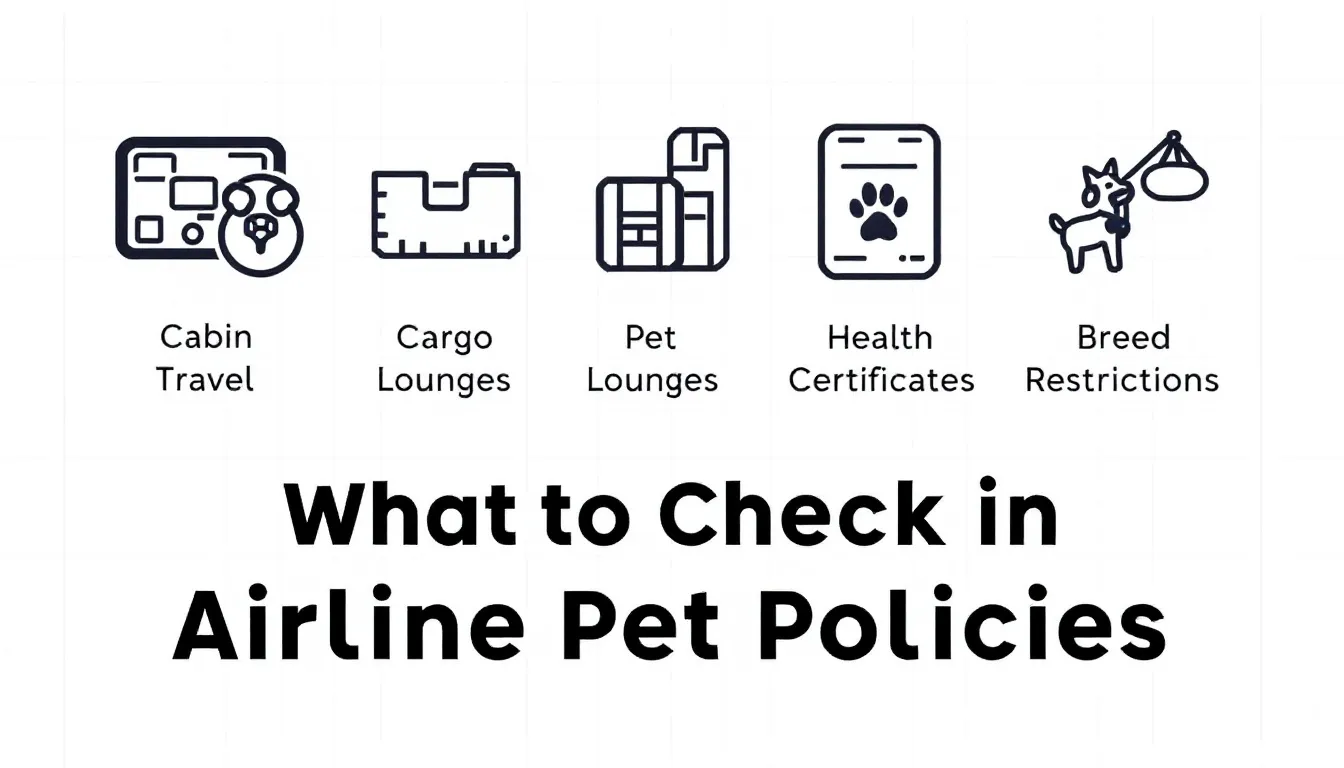
Pet Travel Requirements
Traveling with your pet requires careful planning and a thorough understanding of the requirements set by pet friendly airlines. Before booking your flight, pet owners should review the pet policies of their chosen airline, paying close attention to pet fees, weight limits, and any breed restrictions that may apply. Most pet friendly airlines allow small dogs and cats to fly in the cabin, provided they fit comfortably in an approved pet carrier under the seat. Larger pets, however, are typically required to travel in the cargo hold, so it’s important to check the specific guidelines for your pet’s size and breed. Maximum dimensions for pet carriers typically vary by airline, with common sizes around 18 x 11 x 11 inches for soft-sided carriers.
A key part of pet travel, especially on international flights, is securing a valid health certificate from your veterinarian. Many airlines and destination countries require up-to-date health certificates to ensure your pet is fit for air travel. Make sure your pet’s carrier meets the airline’s maximum dimensions and ventilation standards to guarantee a safe and comfortable journey.
Temperature restrictions are another important consideration. Friendly airlines like American Airlines have clear policies to protect pets from extreme heat or cold, sometimes limiting pet travel during certain seasons or times of day. Pet owners should also consider their pet’s health and temperament, as air travel can be stressful, particularly for pets with pre-existing medical conditions or those unaccustomed to travel.
To ensure a stress free travel experience, book your pet’s spot as early as possible—many airlines limit the number of pets allowed per flight. Arrive at the airport early to allow extra time for check-in and security procedures. By understanding and following the pet travel requirements of your chosen pet friendly airline, you can help ensure a safe, comfortable, and enjoyable journey for both you and your furry companion.
Preparing Your Pet for International Travel
Visit a Vet – confirm vaccinations, microchipping, and health certificate requirements. Avoid sedating your pet before flights, as sedatives can increase the risk of respiratory and cardiovascular problems at high altitudes.
Crate Training – acclimate your pet to the travel carrier weeks before departure.
Food & Hydration – feed lightly before the flight; secure a water source.
Exercise Before Flight – helps reduce stress and anxiety.
Check Arrival Rules – some countries require quarantine periods.
Costs of Flying with Pets
Cabin fees typically range from $100–$300.
Cargo fees depend on weight and route, often $500–$1,500.
Additional charges may apply for documentation, handling, or quarantine. Pet fees for some airlines can cost as much as a human ticket, and fees are charged per kennel each way.
Tips for a Stress-Free Move with Pets
Choose direct flights whenever possible.
Avoid extreme temperatures (check seasonal restrictions).
Book early — many airlines limit the number of pets per flight.
Keep duplicates of documents handy.
Why Elev8 Insurance Supports Expats with Pets
Relocation is about moving the whole family, pets included. While we specialize in international health insurance for expats, we also guide clients through relocation essentials like pet travel. With Elev8 insurance, you have a partner for planning beyond insurance.

FAQs – Selecting Pet-Friendly Airlines
Which airlines are the most pet-friendly?
Airlines like Lufthansa, KLM, Emirates, and Air France are known for their strong pet programs.
Can pets travel in the cabin on international flights?
Yes, but most airlines only allow small cats and dogs in the cabin, provided they fit under the seat in an approved carrier and meet size restrictions.
How do I prepare my pet for flying?
Vet visits, crate training, light meals, and hydration are essential steps.
Are there breed restrictions?
Yes. Short-nosed breeds often face restrictions for safety reasons.
Is pet travel expensive?
Yes, but costs vary widely. Expect $100–$1,500 depending on airline and route.
Fly with Confidence
Choosing the right airline makes all the difference when traveling with pets. By understanding policies, preparing in advance, and planning with a trusted partner, you can ensure a safe journey for your furry companion.