
International Cost of Living Overview – What Expats Need to Know Before Moving Abroad
Relocating to a new country is an exciting chapter filled with opportunities and challenges. One of the very first questions that every expatriate asks is: “What will it cost me to live there?” Understanding the international cost of living overview is essential for anyone considering living abroad, as expenses can vary dramatically depending on the country, city, lifestyle, and individual needs. From housing and healthcare to groceries and transportation, getting a clear picture of the cost of living abroad allows expats to plan effectively and enjoy a smooth transition. Key expenses analyzed in cost of living comparisons typically include housing, food, transportation, education, and healthcare. The international cost of living varies significantly between countries due to local wages, currency exchange rates, inflation, taxation, and government policies. Using reliable data and country comparison tools is crucial for accurately assessing living costs and making informed decisions about moving to different countries.
At Elev8 Insurance Brokerage, we specialize in helping expatriates combine financial planning with comprehensive international health insurance solutions. This approach ensures not only that you can manage your money wisely but also that your health coverage and well-being are protected no matter where you live.
👉 Discover Your Options in 1 Minute

Introduction to Expatriate Life
Embarking on life as an expatriate is an adventure that opens doors to new cultures, experiences, and opportunities for personal growth. For American expatriates, living abroad means adapting to a foreign country’s customs, language, and daily routines. While the excitement of exploring a new country is undeniable, it’s important to recognize the unique challenges that come with this transition—especially when it comes to medical coverage and global medical insurance.
Securing the right expatriate health insurance is essential for protecting your well-being and that of your family. An international health plan ensures that, no matter where in the world you choose to live, you have access to quality medical care and the coverage you need. This peace of mind allows you to focus on enjoying your new life, knowing that your health and safety are protected. Whether you’re relocating for work, family, or adventure, prioritizing comprehensive health insurance coverage is a key step in making your experience abroad both rewarding and secure.
Why the Cost of Living Matters for Expatriates
A realistic understanding of the expat cost of living is crucial because it directly affects your ability to thrive in a foreign environment. The expenses you face overseas impact several key aspects of your life:
Your capacity to save money or invest for the future.
The quality of housing and medical care you can afford.
Your overall lifestyle and personal well being.
When comparing your destination to other countries, differences in the price of goods and services can significantly impact your budget and lifestyle.
Failing to plan for these factors often leads to financial stress and difficulties adjusting to your new surroundings. Beyond finances, adapting to daily life routines also matters; for more on this, check out Daily Life as an Expat.
Research and Preparation for Your Move
Thorough research and careful preparation are the foundation of a successful move abroad. Before you relocate, it’s vital to understand the cost of living, purchasing power, and living index in your destination country. Comparing the costs and benefits of different countries will help you make an informed decision that aligns with your lifestyle and financial goals. Organizations such as Mercer and The Economist Intelligence Unit (EIU) publish annual surveys to compare the cost of goods and services in global cities, providing valuable insights for expatriates. The average cost of living in a country is usually expressed as an index, which helps compare affordability across different locations. Cost of living is often calculated using representative baskets of goods, which include essential items and services to reflect typical expenses.
As you evaluate your options, don’t overlook the importance of health insurance. Review the available international health plans to ensure you have minimum essential coverage that meets your needs and those of your family. A robust international health plan provides worldwide coverage and access to quality medical care, which is especially important when living in a new country. By taking the time to assess your health insurance options and overall living costs, you can set yourself up for a smooth transition and a fulfilling life abroad.
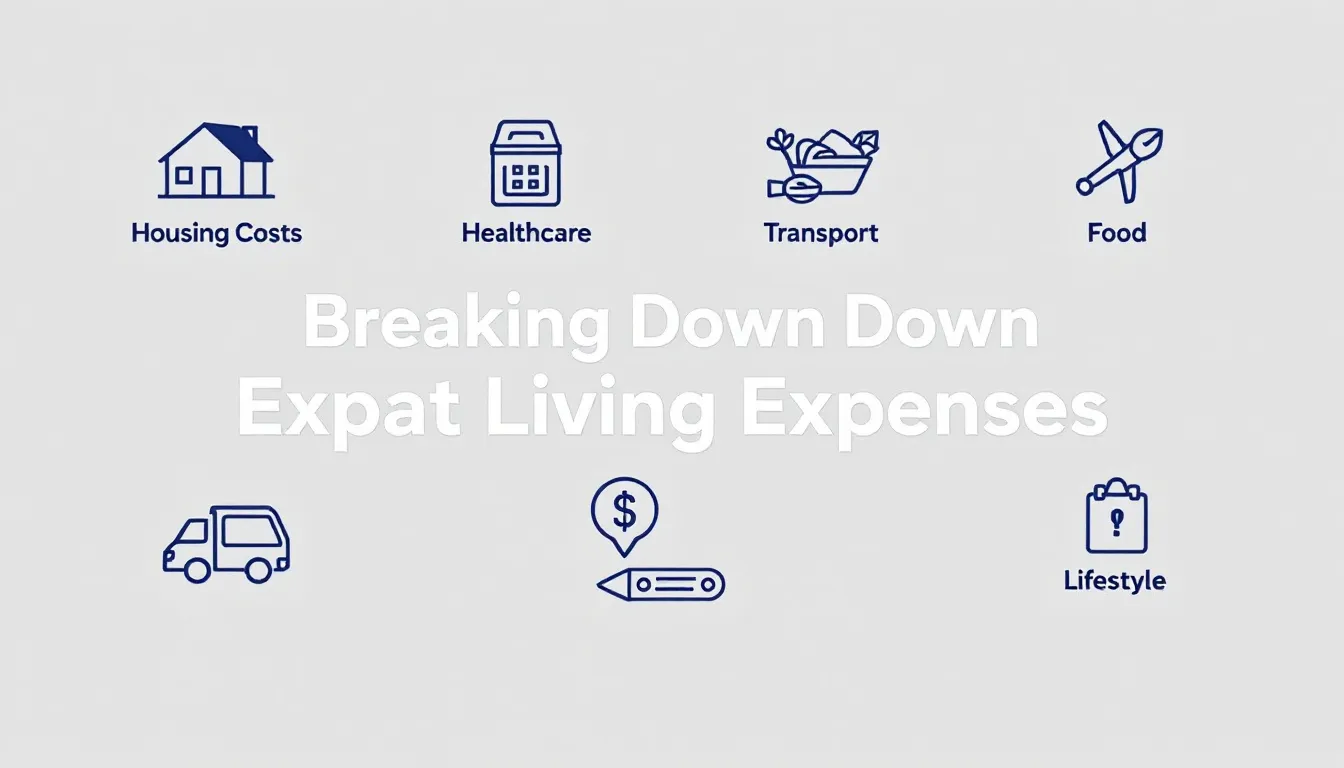
Breaking Down the Main Living Expenses
Housing Costs Abroad
Housing typically represents the largest portion of an expatriate’s budget. In major global cities such as London, Singapore, and New York, rents are among the highest in the world. Conversely, choosing suburban or rural areas can significantly reduce your housing cost. It’s important to note that in many countries, foreigners face restrictions or additional taxes when buying property, so researching local laws is a necessary step. Cities generally have a higher cost of living than rural areas, making location a key factor in budgeting. Specific countries such as Bermuda, which has the highest cost of living globally, Switzerland, Singapore, Barbados, and Norway frequently rank among the most expensive places to live.
Healthcare Costs for Expats
Access to quality healthcare varies widely from one country to another. Some regions offer affordable public healthcare systems but may limit access for foreigners. Others rely heavily on costly private healthcare providers, making international health insurance an essential part of your expat plan. Without adequate medical coverage, paying for treatment, hospital visits, or doctor consultations can become prohibitively expensive. An international health plan ensures you have access to affordable care and benefits wherever you are in the world. The demand for international health insurance has increased as global lifestyles continue, highlighting its importance for expatriates.
U.S. citizens and citizens abroad face unique challenges when it comes to health insurance. It is crucial for every citizen to be covered by an appropriate plan, whether through an employer, an educational institution, or an individual purchase of international health insurance before leaving their home country. Some expats may be exempt from certain insurance requirements depending on their status or length of stay. Citizens living abroad should carefully review their coverage options both in their home country and in their destination country to avoid gaps in protection. Comprehensive plans should include both preventative care and preventive care, as these are essential for early detection, maintaining long-term health, and preventing future medical issues. Health plans for U.S. citizens living overseas include emergency medical assistance hotlines, which provide critical support in urgent situations. American expatriates have historically had limited choices for health insurance coverage, and existing options often come with limited benefits and harsh exclusions. U.S. health insurance benefits generally do not cover Americans while living outside the U.S., making international health insurance a necessity.
Transportation Expenses Overseas
Transportation costs depend largely on your location. In Europe and Asia, efficient and affordable public transport systems often reduce the need for car ownership. However, in places like the Middle East or North America, owning a car—including fuel, insurance, and maintenance—can dominate your monthly expenses.
Food & Grocery Costs Abroad
Food prices fluctuate significantly around the globe. For example, dining out in Southeast Asia can be cheaper than cooking at home, while in Northern Europe, groceries tend to be expensive, and eating out is even more so. Understanding local food costs helps you budget realistically and maintain a balanced lifestyle.
Entertainment & Lifestyle Expenses
Beyond essentials, lifestyle choices such as gym memberships, cultural outings, and leisure activities add to your monthly expenses. Families should also consider school fees if opting for international schools, which can be a significant part of the budget.
Joining a local organization, such as a club or volunteer group, can also enrich your lifestyle and help you build a social network while living abroad.
Comparing the Cost of Living by Region
Europe
European capitals like Paris and Zurich have high housing costs and strong healthcare systems, though insurance is often required to access the best services. The living index in these cities reflects their premium prices.
Asia
Asia presents a wide spectrum: cities like Tokyo and Singapore are expensive, while countries such as Vietnam and Thailand offer more affordable living options without compromising quality. Countries with the lowest costs of living include Pakistan, which has the lowest cost of living globally, Egypt, India, Uzbekistan, and Colombia, making them attractive destinations for budget-conscious expatriates.
North America
The United States is known for having some of the highest healthcare costs globally. The overall cost of living varies widely between urban hubs and smaller towns, affecting housing, transportation, and daily expenses. Globally, the United States ranks 13th in the cost of living, reflecting its relatively high expenses compared to many other countries.
Middle East
Tax-free salaries in cities like Dubai or Doha can help offset high rents. However, the cost of imported goods increases grocery prices, influencing your overall budget.
Africa
While daily essentials may be affordable in many African countries, imported goods and the need for private healthcare services can raise expenses, especially for expats seeking quality medical care.
Latin America
Many Latin American countries offer a lower overall cost of living. Healthcare and housing can be quite accessible, depending on the city, making it a popular choice for expatriates seeking value.
👉 Planning a relocation? Talk to an Advisor Today
Tools & Metrics to Evaluate Global Cost of Living
To make informed decisions, expats often rely on various tools and metrics:
The global cost of living index compares prices across major cities worldwide, helping you understand relative affordability.
Expat salary calculators estimate how your income will stretch in a new destination, factoring in local prices.
Monitoring inflation and exchange rates is crucial when you earn in one currency but pay expenses in another, as fluctuations can affect your purchasing power.
While these tools provide valuable benchmarks, personal spending habits and lifestyle choices ultimately shape your experience.

Navigating Healthcare Systems Abroad
Adjusting to a new healthcare system is one of the most significant challenges for American expatriates living in another country. Healthcare systems can vary greatly in terms of cost, quality, and accessibility, making it essential to do your homework before you arrive. Research the healthcare system in your destination country to understand how medical care is delivered, what providers are available, and how to access specialized treatment if needed.
Having an international health plan is crucial for ensuring you receive the medical care you need, wherever you are in the world. The right health insurance coverage gives you access to reputable providers and essential treatments, helping you navigate unfamiliar healthcare systems with confidence. By preparing in advance and securing comprehensive coverage, you can protect your health and well-being, allowing you to fully embrace your new life abroad. Health insurance for Americans abroad will cover medical costs in any country they are in, providing peace of mind and financial security. The Cigna Global Medical plan is a popular choice among U.S. expatriates due to its flexible design, offering tailored options to meet diverse needs.
Expat Budgeting Tips
Effective budgeting helps you maintain financial stability abroad. Consider these tips:
Build a 6–12 month buffer to cover unexpected expenses or emergencies.
Track all categories of living expenses for expatriates, including housing, healthcare, transportation, and lifestyle.
Use multi-currency accounts to minimize transfer fees and manage exchange rate fluctuations efficiently.
If you want to explore banking options tailored for expats, see our guide on Best Banks for Expats.
Beyond Numbers – Adjusting to a New Life Abroad
While budgeting is fundamental, emotional and cultural adaptation significantly influence how affordable your life feels. Higher costs in one city may be balanced by better quality of life, safety, or access to services. Learning to adjust to new habits—whether related to transportation, food, or leisure—helps manage expenses and enriches your experience.
For advice on settling in emotionally and socially, visit Dealing with Culture Shock.
Why Work with Elev8 insurance
At Elev8 insurance, we recognize that moving abroad is about much more than just numbers. By combining financial insights with expert global medical insurance solutions, we help expatriates:
Protect themselves against unexpected healthcare expenses.
Balance their budget with quality of life needs.
Secure long-term peace of mind, knowing their health coverage is reliable worldwide. The GeoBlue Xplorer plan is comprehensive and ideal for expats seeking premium coverage, ensuring access to top-tier medical services globally.
Protect themselves against unexpected healthcare expenses.
Balance their budget with quality of life needs.
Secure long-term peace of mind, knowing their health coverage is reliable worldwide.
👉 Explore Plans Now and protect your future abroad.
FAQs – International Cost of Living
1. What is the average expat cost of living in Europe vs. Asia?
Europe tends to be more expensive overall, but Asia offers a wide range of options from highly affordable to premium-cost cities.
2. How much should I budget monthly as an expatriate?
Monthly budgets vary widely—from around $1,500 in affordable regions to $8,000 or more in global capitals—depending on your lifestyle and location.
3. Is healthcare more expensive abroad?
In many cases, yes. Without expatriate health insurance or an international health plan, private medical care can be unaffordable. The U.S. government strongly recommends that all Americans carry private health care insurance when living overseas to avoid financial and medical risks.
4. What are hidden costs expats often forget?
Visa fees, international school tuition, and currency conversion fees often catch expats by surprise.
5. How do exchange rates affect the cost of living abroad?
A weak home currency can double your expenses if you’re paid locally. Using multi-currency accounts helps manage this risk.
Plan Your Move with Confidence
Having a clear understanding of the cost of living for expats lays the foundation for a successful relocation. By combining smart budgeting with reliable international health insurance that provides minimum essential coverage and worldwide coverage, you can ensure both your financial stability and personal well-being.
Internal Links Added
For more in-depth information, explore our sections on Expatriate Financials and Retiree Health Insurance.