
Healthcare Abroad – A Complete Guide for Expatriates
Moving abroad opens new opportunities, but one of the biggest challenges is understanding healthcare abroad for expats. Access to quality care, navigating unfamiliar systems, and avoiding high out-of-pocket costs are concerns for every expatriate.
It is essential to seek advice on healthcare planning and to understand the risks associated with medical emergencies, health hazards, and other potential dangers when living abroad.
Without preparation, even routine care can become stressful. That’s why securing international health insurance is one of the most important steps before relocation. Additionally, obtaining an itemized written agreement defining treatment costs, including all supplies and medications, is essential before proceeding with treatment abroad. Some health insurance plans cover typical medical costs abroad, but most do not cover medical evacuation by air ambulance.

Understanding Healthcare Abroad
Healthcare systems vary greatly worldwide. Many countries operate public systems that prioritize citizens, leaving expats to rely on private facilities. Accreditation from recognized international bodies, such as Joint Commission International (JCI), indicates that a hospital adheres to high standards of quality and patient safety.
Public care can be low-cost but may exclude non-residents.
Private hospitals often provide better service but at much higher costs.
Expats without insurance may face restrictions or denial of care.
Before you travel or visit a new country, review local healthcare services, legal requirements, and health preparations to ensure you are covered and prepared for any medical needs abroad. Many destinations require vaccinations before you travel, so check the specific requirements of your destination to avoid complications. Medical tourism, which involves traveling to another country for specific medical, dental, or cosmetic procedures, is also a growing trend to consider. Every year, tens of thousands of U.S. citizens travel abroad for medical care including cosmetic surgery and dental care. Patients often travel for procedures such as cosmetic surgery, dental care, fertility treatments, cardiac surgery, and orthopedics.
International health insurance and assistance services can help travelers manage medical emergencies and coordinate care, making it easier to revise travel plans if treatment schedules change or unexpected health issues arise during your trip.
Challenges Expats Face with Healthcare Abroad
High expenses for private hospital care.
Long wait times in public systems, with expats often being placed on a waiting list for treatment.
Lack of access without proof of insurance.
Language and cultural barriers in medical settings.
Many overseas medical services demand full payment from international travelers at the time care is delivered.
Healthcare Costs Abroad
The cost of medical care abroad depends on location, type of service, and access.
In the U.S., hospitalization can cost thousands per day.
In Europe, public healthcare is strong but not always accessible to foreigners.
In Asia, private healthcare ranges from affordable in Thailand to costly in Singapore.
Some reimbursement processes, such as those under the EU Cross Border Directive, may require you to wait for a refund, which can take several weeks. However, in some cases, reimbursement may be processed sooner if all required documentation is submitted promptly.
👉 Discover Your Options Abroad
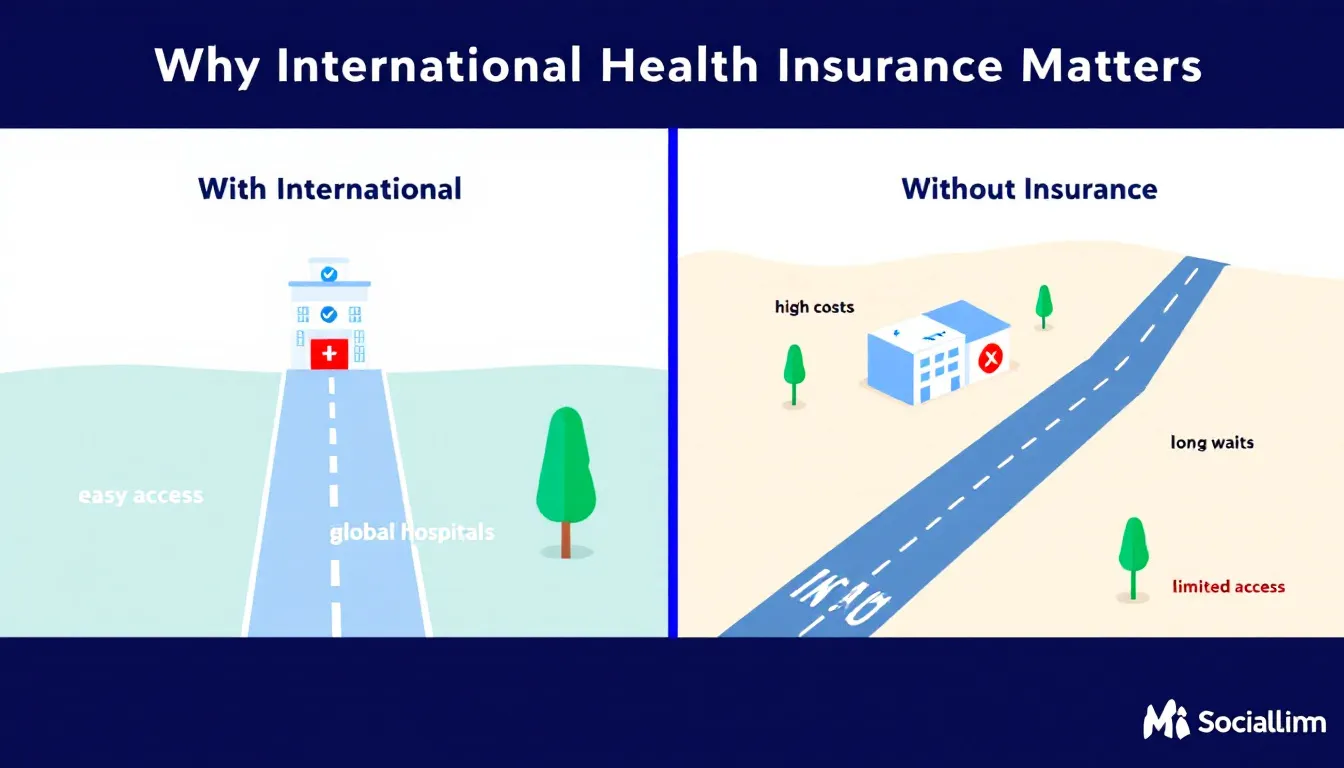
Why International Health Insurance is Essential
Ensures access to private hospitals worldwide.
Covers emergencies, hospitalizations, and routine care.
Provides global continuity when moving between countries.
Protects against unexpected financial burdens.
Offers 24/7 multilingual support to assist travelers with medical care, travel plan changes, and legal advice during international travel, ensuring comprehensive help in emergencies.
Finding Quality Healthcare Abroad
When traveling or relocating to a new country, finding quality healthcare is a top priority for international travelers and expats. Start by researching the healthcare system in your destination country to understand what medical treatment and services are available, as well as any health risks you may face. It’s important to know whether you’ll need to pay upfront for care, or if your health insurance coverage will be accepted directly by local hospitals and clinics. Some countries require a deposit or proof of insurance before providing treatment, so always review your insurance plan details and bring documentation with you.
Consulting with healthcare professionals in your new country can provide valuable advice on navigating the local system and accessing the best care. Make a plan for how you’ll handle routine and emergency medical needs, and ensure your insurance includes coverage for medical evacuation and emergency services. Understanding the local healthcare options, including the quality of hospitals and the availability of English-speaking staff, will help you make informed decisions and reduce medical costs. By preparing in advance and seeking support when needed, you can ensure a smooth healthcare journey and protect your health while abroad.
Getting Started on the First Day
Arriving in a new country, your first day is the perfect time to get familiar with the local healthcare system. Start by researching nearby hospitals and clinics, and understand what medical treatment options are available to international travelers. Check the eligibility requirements for accessing healthcare—confirm if you are eligible for local healthcare or insurance programs, as some countries require proof of health insurance or specific vaccinations before you can receive treatment. You can find lists of local doctors and hospitals on the U.S. embassy or consulate website, which can be a helpful resource.
In some countries, expats may need to apply for a healthcare card (such as the UK EHIC or GHIC). Be sure to review the application process and required documents as soon as possible after arrival.
Planning ahead and reviewing your insurance coverage ensures you’re prepared for any health needs that may arise during your trip. Taking this first step helps you navigate the process with confidence, so you can focus on enjoying your journey and staying healthy abroad. Spain’s healthcare system is ranked #3 in Europe and offers fully reimbursed medical costs for consultations and physiotherapy. Medical evacuation by air ambulance can cost from $20,000 to $200,000 depending on location and health condition.
Healthcare Abroad for Families and Retirees
Expat Family Healthcare
Families need tailored coverage for pediatric care, vaccinations, maternity, and emergencies. International plans provide access to child-friendly hospitals and school-required health documentation.
Some providers also offer free support and consultation services to families relocating abroad.
Retiree Healthcare Abroad
Retirees often face higher medical needs. Specialized retiree healthcare abroad plans cover chronic conditions and long-term care while managing costs. Supplemental medical tourism insurance may be necessary to cover complications and emergency medical evacuation.
These plans may also include coverage for physio and other rehabilitative services, which are important for many retirees.
Dental and Vision Care Abroad
Dental and vision care are often overlooked when planning for healthcare abroad, but they are essential for maintaining your overall health. Before traveling, review your health insurance policy details to see if dental and vision services are covered, as coverage varies widely between plans and countries. Some destinations offer excellent dental and vision care through skilled healthcare professionals and modern hospitals, while others may have limited services. To protect yourself from unexpected medical costs, consider purchasing additional insurance coverage specifically for dental and vision care. It is also important to inquire about the quality and safety standards of facilities in other countries, as they may not be as regulated as in the U.S. By understanding your options and finding reputable providers, you can ensure your dental and vision health is supported throughout your travels. Medical plans can include benefits for local ambulance and emergency dentistry.
Mental Health Support for Expats
Adjusting to life in a new country can be challenging, and maintaining good mental health is just as important as physical health. Many countries offer a range of mental health services, including counseling, support groups, and helplines. It’s important to research what mental health resources are available in your new location and to check if these services are covered by your health insurance. Some companies provide mental health support as part of their employee benefits, so ask your employer about available options. Additionally, be cautious about long flights after surgery, as they can increase the risk of blood clots. By finding the right support and understanding your insurance coverage, you can take proactive steps to protect your mental well-being while living abroad.
Specialized Care and Services Abroad
If you or a family member require specialized care such as physiotherapy, occupational therapy, or speech therapy, it’s important to plan ahead when moving or traveling abroad. Start by researching local healthcare professionals and hospitals that offer these services in your destination country. Some countries provide excellent specialized care, while others may have limited options, so understanding what’s available is key. Review your health insurance to see if these services are covered, and consider additional coverage if needed to protect against unexpected medical costs. Many providers now offer online consultations, making it easier to access specialized care wherever you are. Additionally, it is crucial for patients to carry copies of their medical records and prescriptions while traveling for medical treatment. By taking these steps, you can ensure you receive the care you need while overseas.
Staying Healthy Abroad
Maintaining your health while living or traveling abroad requires careful planning and awareness of potential risks. Before you travel, review health information for your destination to learn about local medical services, health risks, and any required vaccinations. It’s essential to understand what your health insurance covers outside your home country—bring your insurance card and any necessary claim forms to ensure you can access services if needed. Remember, Medicare does not provide insurance coverage for medical costs outside the United States, so additional health insurance is crucial for international travelers.
Consider purchasing a comprehensive travel insurance plan that includes medical evacuation coverage, as most standard health insurance plans do not cover the cost of air ambulance services back to your home country. This extra layer of protection can help you avoid unexpected medical costs and provide peace of mind during your journey. By planning ahead, reviewing your insurance options, and understanding the services available in your destination country, you can protect your health and enjoy your travels with confidence.
Regional Comparisons of Healthcare Abroad
Europe
High-quality public care, but limited for non-residents.
Expats often require private or international health insurance.
/image
Asia
Affordable private care in countries like Thailand.
Expensive but advanced care in Singapore and Hong Kong.
North America
The U.S. has the most expensive healthcare in the world.
Canada’s system is strong but largely restricted to permanent residents.
Middle East
Countries like the UAE and Qatar legally require expats to have insurance.
Latin America & Africa
Quality varies widely. International coverage ensures access to reliable private facilities.
Navigating Healthcare Bureaucracy
Dealing with healthcare bureaucracy in a new country can be complex, but understanding the system will help you access the care you need. Learn about the local process for seeking treatment, including how to find healthcare professionals, hospitals, and clinics. Check the eligibility requirements for accessing care, and familiarize yourself with the reimbursement process if you need to pay upfront and claim costs later. Some countries have government-run healthcare systems with waiting lists, while others rely on private providers. Remember, you are responsible for all hospital and medical costs when traveling abroad, as the U.S. government does not pay medical bills abroad, so planning ahead is crucial.
Emergency Preparedness for Expats
Being prepared for medical emergencies is essential for expats and international travelers. Start by creating a plan that includes the locations of nearby hospitals and medical facilities in your new country. Familiarize yourself with the emergency services available, such as ambulance response times and the process for accessing emergency rooms. Make sure you have a list of important emergency contact numbers, including your insurance provider, local emergency services, and a trusted family member or friend who can offer support if needed.
Regularly review and update your emergency plan to ensure it remains current and effective. Understanding the risks in your destination country and knowing how to access emergency services can make a significant difference in a crisis. Having insurance coverage that includes emergency medical services is vital, as it ensures you can receive prompt care without worrying about high costs. By staying informed and prepared, you can provide for your safety and the well-being of your family while living or traveling abroad.
How Elev8 insurance Helps Expats Access Healthcare Abroad
At Elev8 insurance, we provide expats with solutions that match their lifestyle and healthcare needs. Healthcare Abroad provides assistance with registration for healthcare professionals seeking to work abroad.
Expert guidance on international medical insurance.
Access to top insurers: IMG, Cigna, Now Health, April, Best Doctors, Pacific Cross.
Coverage for individuals, families, professionals, and retirees.
Dedicated team of professionals supporting expats throughout their healthcare journey abroad.
Healthcare Abroad provides a FREE service to help with gaining registration and advice on popular locations.

FAQs – Healthcare Abroad for Expats
Do expats get access to public healthcare abroad?
Not always — many systems are restricted to citizens or permanent residents.
Is international health insurance mandatory?
In some countries, yes. Even where it isn’t, it’s strongly recommended.
How expensive is healthcare abroad without insurance?
Emergencies can cost thousands, especially in the U.S. or Asia.
What about pre-existing conditions?
Coverage varies — some insurers exclude them, others offer conditional coverage.
Is retiree healthcare abroad more costly?
Yes, with age-related medical needs. Specialized plans help manage costs.
Protect Your Health, Wherever You Go
Relocation is not complete without preparing for healthcare. With international health insurance, you secure peace of mind, knowing that quality medical care is always within reach.